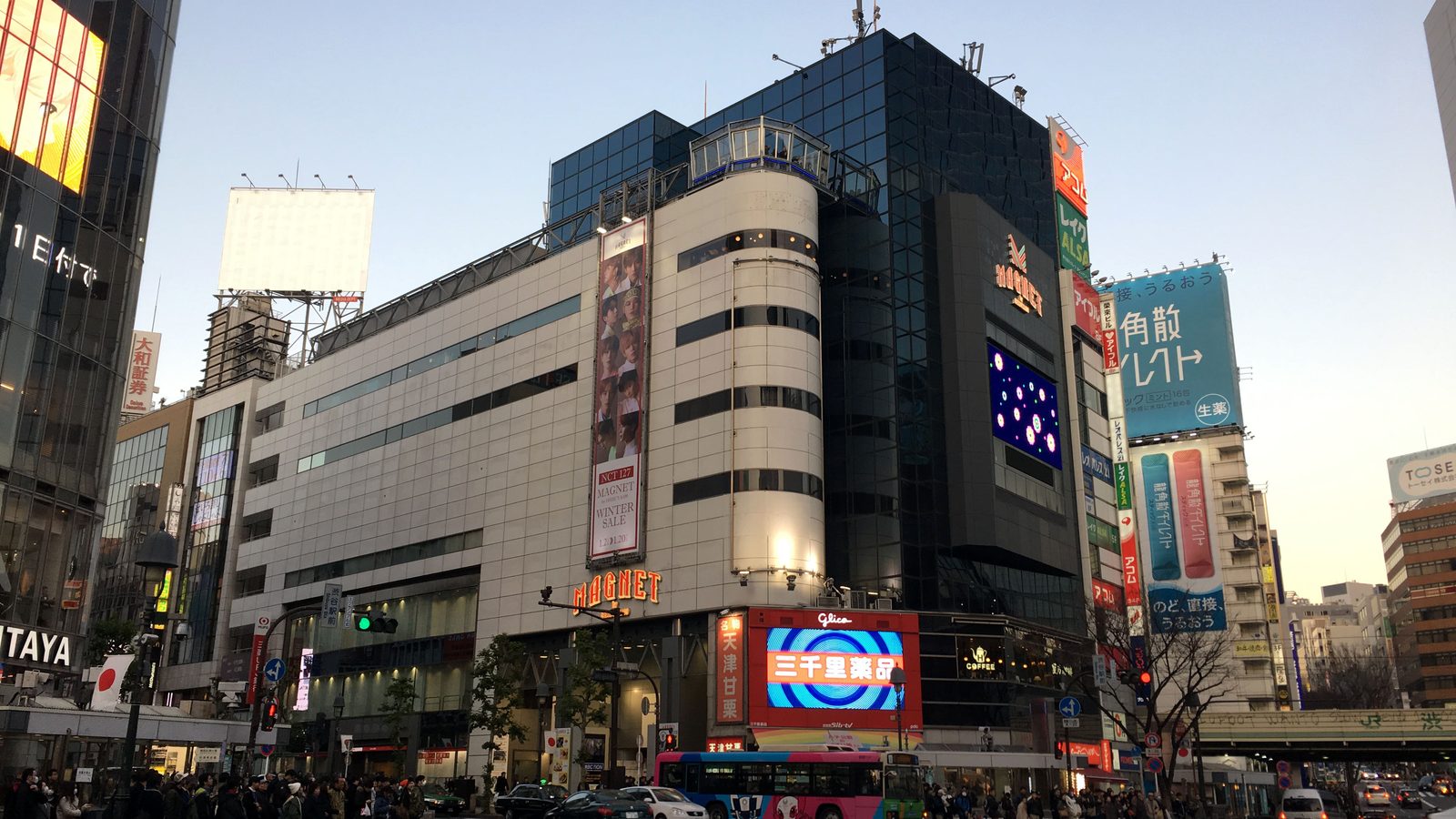
Tokyo is a city that only makes sense with a working phone. The station has twenty exits and a map that assumes you already know which one. The counter takes your queue ticket on a screen before you sit down. The last train home is at midnight and the timetable app knows it better than you do. A travel eSIM puts you on a Japanese network the moment you clear arrivals at Haneda or Narita, with no counter, no paperwork and no card swap on the way into the city.
Typical data use in Tokyo, per day
- Yamanote hops and station exits~35MB
a full day of train navigation usually stays under 50 MB
- Queue tickets and menu screens~20MB
mostly text and small images — call it 10–40 MB across a day
- Messaging and camera photos~60MB
text is close to free; a dozen photos is roughly 30–100 MB
- Sending the day's photos over data~200MB
a full camera roll can pass 200 MB in one go
- HD video on the last train~500MB
half an hour of HD is around 500 MB
Typical ranges, not guarantees — video quality settings, app defaults and how much you upload move these numbers a long way.
Narita and Haneda, three ways
Airport SIM counter
A desk after a long flight
- Where
- Arrivals at Narita and Haneda, plus shops in Shibuya and Shinjuku
- Setup
- Queue at the desk, fill in the forms, swap out your home SIM
- What you get
- Data with a Japanese number attached
- Price
- Counter pricing changes — we don't quote numbers we haven't verified
A real option if you want a local number and don't mind the errand. It is also the one that puts your home SIM in a pocket while you still need it.
Travel eSIM
Buy before you fly, land connected
- Where
- Already in your phone, installed at home on Wi-Fi
- Setup
- Switch it on after landing — about a minute
- What you get
- Data only, no Japanese number, your home SIM stays put
- Price
- 1GB / 7 days is $2.50; 10GB / 30 days is $12.00
The simplest arrival in a city whose first demand of you is a train map and the right exit.
Pocket Wi-Fi rental
One device, shared by the room
- Where
- Airport counters and hotel delivery
- Setup
- Collect it, charge it, carry it, return it
- What you get
- One connection that several devices can share
- Price
- Rental terms vary — not something we sell or price
Genuinely better for a group sharing one connection, or for a laptop. For a single phone it is one more thing to keep charged and remember at the desk on the way out.
The desk at Narita, and why we'd skip it
There are SIM and Wi-Fi counters in both airports, and they work. They are also the first queue you meet after a long-haul flight, and they mean pulling your home SIM out of the phone at exactly the moment you are juggling luggage, a rail ticket and a map.
An eSIM sits alongside your own SIM instead of replacing it. Install it at home on Wi-Fi, land, flip mobile data over to the travel line, and you are reading the station map before you have reached the platform.
Who's carrying your signal
Our Japan plans can run on NTT docomo, Rakuten Mobile or KDDI/au — those are the three network names on our Japan plans, and between them they cover Tokyo solidly: Shinjuku, Shibuya, Ginza, Asakusa, the Yamanote loop and every line feeding into it.
One honest detail: the 50GB, 180-day plan at $61.50 is listed on NTT docomo alone, while the shorter plans carry all three names. If you pick that one, docomo is the network you will be on.
Tokyo also has plenty of places where any phone gets quiet — deep underground platforms, dense station concourses, the basement floors of a department store. We have not tested every station, so treat a few seconds of no signal as something that can happen, not as a fault in the plan.
What a Tokyo trip costs
A stopover or a very light few days fits inside 1GB for 7 days at $2.50. A normal week of train hops, queue screens, messages and a few photos sits comfortably on 3GB for 30 days at $4.50, and a busy week with uploads and calls back home is happier on 10GB for 30 days at $12.00.
There is a small freebie in the list worth knowing: 3GB for 15 days and 3GB for 30 days are both $4.50, so the longer one simply gives you twice the days at no extra cost. Take the 30-day plan unless you are certain the trip ends inside a fortnight and want the smaller number on the receipt.
A heavy month — video every night, a laptop tethered in a Shibuya café — is more relaxed on 20GB for 30 days at $20.50.
How much data does Tokyo actually use?
Tokyo is light on data until you start sending things. A day of station maps, queue tickets, menu screens and messaging lands at around a hundred megabytes. The jump comes at the other end of the day, when a full camera roll goes over mobile data or a video plays on the last train home.
The table above shows a typical day, and the last two rows are where it goes. Station, hotel and café Wi-Fi covers most of the sitting still — use it for the big transfers and keep your plan for the platform, the street and the 11:58 train.
Data only, and a 60-second landing checklist
Our plans are fixed data plans: no Japanese phone number and no calls. Keep your own SIM in the phone for calls, and let the eSIM carry the data.
When you land at Haneda or Narita: turn the travel line on, set Mobile Data to it, and switch Data Roaming off on your home SIM. Open the train map, work out which exit you need, and go.
Boarding passes for Japan
Live prices in USD, all fees included.
JP · Nationwide
1GB
7 days · best entry price
$2.50
JP · Nationwide
2GB
15 days
$3.50
JP · Nationwide
3GB
15 days
$4.50
JP · Nationwide
3GB
30 days
$4.50
JP · Nationwide
5GB
30 days
$7.00
JP · Nationwide
12GB
4 days
$11.50
Quick answers
Does a Tokyo eSIM give me a Japanese phone number?
No. It is a data-only plan, with no local number and no calls. Keep your own SIM in the phone for calls and use your calling apps over the eSIM data.
When do my plan's days start?
When the eSIM first connects to a network in Japan, not when you buy or install it. Installing at home on Wi-Fi before you fly costs you nothing.
Will it work on the trains and underground?
Mostly, yes — the Yamanote loop and the main lines are well served. Deep underground platforms, dense concourses and tunnels can cause a brief dropout, as they do on every network. We have not tested every station, so keep an offline map for the moment it matters.
Is the data unlimited?
No. We sell fixed data only: an exact number of gigabytes for an exact number of days, with both on the card before you pay. Plans marketed as unlimited elsewhere usually carry a fair-use limit that slows them after a threshold — find that number before you buy, wherever you buy. If you are unsure here, take one size up: 10GB for 30 days at $12.00 covers a busy Tokyo week with room left over.
I'm flying on to Kyoto and Osaka — is this still the right plan?
Yes. Our Japan plans are sold for the country, not the city, so the same plan keeps working after Tokyo. This page is about arriving in Tokyo; the network does not stop at the Yamanote line.
New to eSIM? Read the installation guide and check your phone on the compatibility page.